
Why waste fleets need their own handbook
In waste and recycling a driver can be entirely compliant on hours, checks and driving and still leave the operator answering to more than one regulator, because the load carries legal duties of its own.
Fixed quotes, reply within one working day
A sector-specific handbook covering roadside work, reversing, collections, site rules, waste controls, vulnerable road users and vehicle safety.
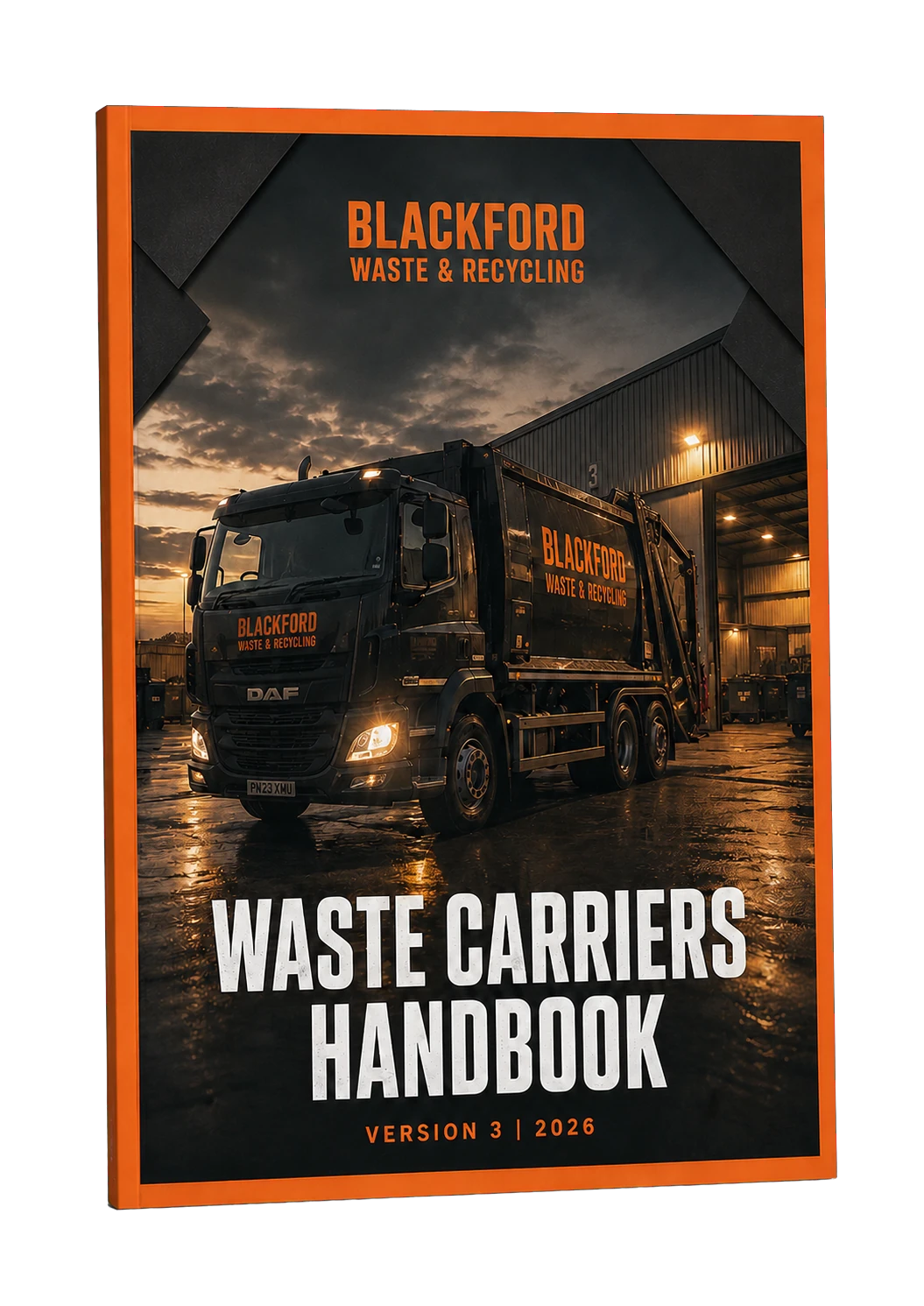
In waste and recycling a driver can be entirely compliant on hours, checks and driving and still leave the operator answering to more than one regulator, because the load carries legal duties of its own.
Clear, practical support written around the operation you run and the evidence an examiner expects to see.
In waste and recycling a driver can be entirely compliant on hours, checks and driving and still leave the operator answering to more than one regulator, because the load carries legal duties of its own.
Waste runs on specialised bodies, and each one earns its own section.
Every load of waste moves under a legal duty of care, and the driver is the person holding the paperwork when an Environment Agency officer or the police lift the tailgate.
Domestic collection is among the highest risk routine work in transport: a heavy vehicle moving slowly through residential streets with crew on foot around it and the public everywhere.
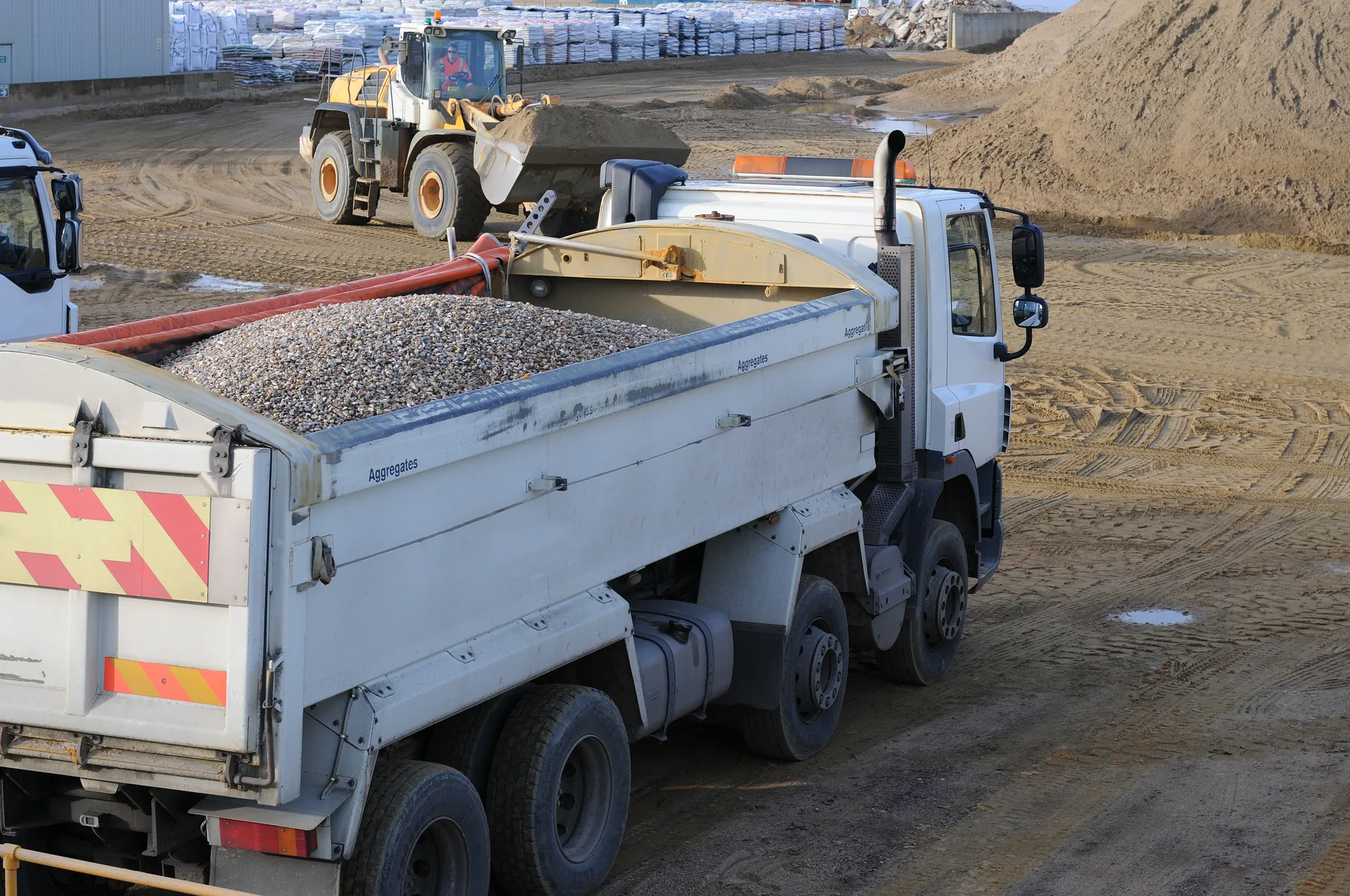
In waste and recycling a driver can be entirely compliant on hours, checks and driving and still leave the operator answering to more than one regulator, because the load carries legal duties of its own. The Environment Agency cares about the paperwork travelling with the load; the traffic commissioner cares about the vehicle and the driver; and the HSE cares about the crew working at the rear of a moving machine on a public street. A generic document speaks to one of those three at best.
A proper waste driver handbook covers all of them in one place: the vehicle rules a tipper or general haulage handbook would recognise, plus the environmental duties, crew safety procedures and site behaviours that make waste work unlike anything else on the road. It is the difference between a document that describes a lorry and one that describes the job.
Waste runs on specialised bodies, and each one earns its own section. For RCVs: bin lift operation and daily function checks, the compactor and its interlocks, the strict rule on riding positions, and reversing with a crew. For hooklifts and skip loaders: container engagement checks before every lift, sheeting and netting, stability on uneven ground and overhead cable awareness. For walking floors and ejector trailers: discharge only on firm level ground, nobody in the trailer during discharge, and door safety under load pressure.
The waste driver handbook should also cover what all of them share: weighbridge discipline, the overloading risk of dense loads such as hardcore and glass, and washing down before the vehicle returns to the highway. Equipment sections written this specifically are what separate a working document from a filing cabinet exhibit.
Every load of waste moves under a legal duty of care, and the driver is the person holding the paperwork when an Environment Agency officer or the police lift the tailgate. The handbook must tell drivers what a waste transfer note or consignment note is, what must be on it, when hazardous waste consignment rules apply instead, and the operating rule most fleets set for their own drivers: no paperwork, no load. Duties and paperwork differ between England, Wales, Scotland and Northern Ireland, and mandatory digital waste tracking is being phased in, becoming mandatory for receiving site operators in England, Wales and Northern Ireland from October 2026 and in Scotland from January 2027, so this section needs reviewing as the service takes effect.
Drivers also need the carrier registration basics, because operating without registration or carrying waste your registration does not cover is an offence that lands on the business. In our waste driver handbook work we put the duty of care section immediately after vehicle checks, because in this sector the two questions come as a pair at the roadside: is the vehicle right, and is the load legal?
Domestic collection is among the highest risk routine work in transport: a heavy vehicle moving slowly through residential streets with crew on foot around it and the public everywhere. The refuse collection driver rules in the handbook should cover reversing only with a trained reversing assistant and never past the point agreed, crew communication and the ban on mounting footways without authorisation, bin weights and contamination checks, needle-stick and sharps procedure, and how to deal with blocked access and abusive residents without escalation.
Write the rules with the crew in the room, not just the driver, because an RCV operates as a team and the handbook is the only document most crews will ever share. The procedures themselves have to follow the vehicle manufacturer's instructions, your own risk assessments and the rules of the sites you work on. Councils and contractors that align driver and loader instructions in one waste driver handbook give the whole crew the same standard to work to.
Waste drivers tip where the ground is poor, the traffic is mixed and the machines are large. The handbook should set the non-negotiables for every site type: report to the weighbridge and follow site instruction, seatbelts and hi-vis at all times, tipping only in the designated area with the vehicle straight and level, no leaving the cab in tipping areas without permission, and the fire rules that matter more each year as battery fires increase in residual loads.
Add the specific hazards drivers meet at materials recovery facilities and transfer stations: loading shovels working the same floor, unstable waste faces, and dust and debris on the approach roads. A driver who has read a clear waste driver handbook site section walks into an unfamiliar facility knowing what good looks like, and that is exactly the driver site operators let back in.
Many municipal contracts, and a growing number of commercial ones, specify FORS accreditation or an equivalent standard, and client officers audit against them. That pulls the handbook into contract territory: FORS expects documented driver instruction on safety equipment, vulnerable road user awareness and vehicle checks, and the audit trail runs straight through your driver documentation and training records.
A waste driver handbook built with this in mind serves both masters at once: it satisfies the licence undertakings the traffic commissioner cares about and gives the council auditor the evidence pack they came for. We build the FORS and contract layer as its own section so that when requirements change at renewal, the update is a section revision rather than a rewrite, and the version control sheet shows the auditor exactly when drivers were told.
Every document is shaped by transport managers and compliance specialists with more than 20 years of experience, including DVSA investigations, Public Inquiries and Traffic Commissioner hearings.
Get a quoteThree layers most handbooks never touch: duty of care and waste transfer paperwork, crew safety procedures for RCV work, and site rules for transfer stations and landfill. The standard vehicle and hours content still sits underneath.
They should. An RCV works as a crew, so reversing assistant duties, riding positions, communication and sharps procedures belong in the same document, with loaders signing the relevant sections just as drivers do.
A waste transfer note or, for hazardous waste, a consignment note for the load, plus evidence supporting the operator's carrier registration. The working rule for drivers is simple: no paperwork, no load.
Many specify FORS or an equivalent standard, and auditors check documented driver instruction as part of it. A handbook with a dedicated FORS and contract section puts the driver-facing evidence in one place for those audits.
Yes, in detail: reversing only with a trained reversing assistant, agreed signals, defined limits and the instruction to stop the moment visual contact is lost. Reversing remains one of the highest risk activities in refuse collection.
Something else on your mind? Call 020 8088 8371 or use the form below.
Get a clear recommendation from transport managers and compliance specialists with more than 20 years of experience, including DVSA investigations, Public Inquiries and Traffic Commissioner hearings.