
Why heavy haulage drivers need more than a standard handbook
Moving plant and abnormal loads is the most procedural driving job on the road.
Fixed quotes, reply within one working day
Moving plant and abnormal loads is the most procedural driving job on the road.
Moving plant and abnormal loads is the most procedural driving job on the road.
Clear, practical support written around the operation you run and the evidence an examiner expects to see.
Moving plant and abnormal loads is the most procedural driving job on the road.
Most plant movements run under the Special Types General Order rather than standard construction and use limits.
Abnormal loads run on notice.
Larger abnormal loads move with escorts, and the balance has shifted over the years from police escorts to private escort vehicles and self-escorting under police guidance.
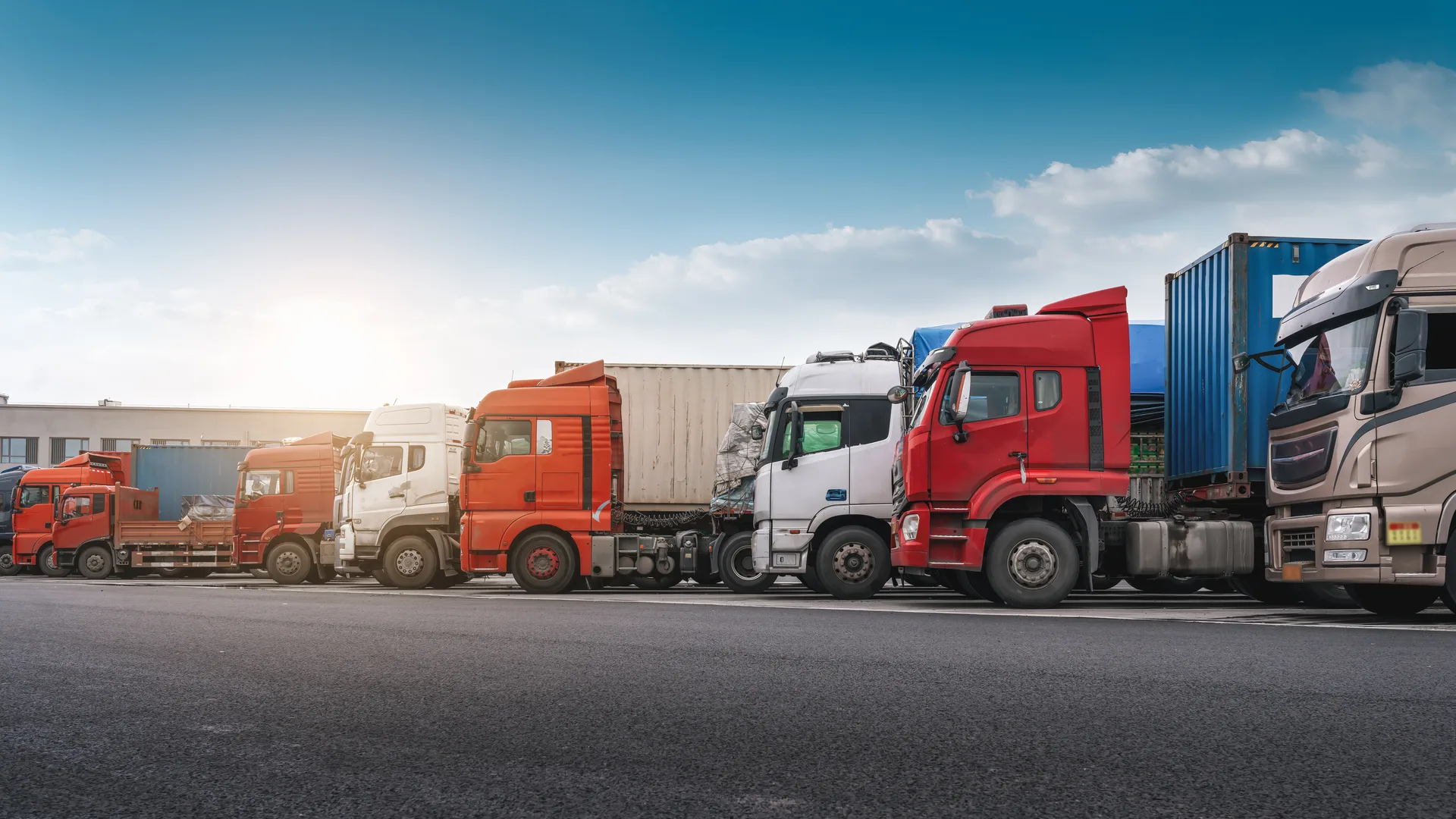
Moving plant and abnormal loads is the most procedural driving job on the road. A driver on general haulage can have a good day by turning up on time with the load intact. A heavy haulage driver has to get the paperwork, the route, the notifications, the escort arrangements and the securing right before a wheel turns, because a single missed step can close a motorway or drop forty tonnes of excavator onto the carriageway.
A standard fleet handbook does not touch any of that. A heavy haulage driver handbook has to be a working reference for the movement itself: what category the load falls under, who was told, which route was agreed and what the driver checks before, during and after the run. We have supported operators through DVSA investigations and Traffic Commissioner hearings for more than 20 years, and in this sector the questions are always specific. Vague answers about how loads are planned and secured do not survive scrutiny, and neither do vague handbooks.
Most plant movements run under the Special Types General Order rather than standard construction and use limits. The heavy haulage driver handbook should set out the three STGO categories in language a driver can use: Category 1 for the lighter end of special types work (up to 46,000 kilograms on at least five axles, or 50,000 kilograms on at least six), Category 2 up to 80,000 kilograms, and Category 3 up to 150,000 kilograms, each with its own speed limits and marking requirements. That is a driver's summary, not a substitute for the Special Types General Order and DVSA's special types enforcement guide, which the handbook cites directly.
Drivers do not need to memorise the legislation, but they do need to know which category plate applies to the combination they are driving, the speed limits that come with it on motorways, dual carriageways and other roads, and what documentation must be carried in the cab. When DVSA stops an STGO movement, the driver is the person answering the questions at the roadside. The handbook is how the operator makes sure those answers are right.
Abnormal loads run on notice. Depending on weight, width and length, movements must be notified in advance to the police, to highway authorities and to bridge and structure owners, with notice periods that lengthen as the load gets bigger. Most operators manage this through the ESDAL system, but the driver still has to understand what the notification commits the movement to.
Notifications to the police, highway authorities and structure owners are made on the basis of a specific route, and the heavy haulage driver handbook makes clear to every crew that the notified route is not advisory: diversions, shortcuts and improvised turns can take an 80 tonne combination over a structure that was never assessed for it. Route planning, police and highway authority requirements and the operator's own instructions are separate things, and the handbook keeps them separate. We set out what a driver does when the route is blocked, who they call, and why waiting is always cheaper than improvising. The handbook also covers timing windows, embargo periods and what to do when a movement runs late, because these are the points where good operations quietly become unlawful ones.
Larger abnormal loads move with escorts, and the balance has shifted over the years from police escorts to private escort vehicles and self-escorting under police guidance. That puts more responsibility on the operator and the driver, not less. The heavy haulage driver handbook defines how your escorts work: positioning, communications, junction management, and what the escort driver is actually there to do.
Escort work fails in predictable ways: radios not tested before departure, escort and load drivers who have never met, no agreed plan for roundabouts or width restrictions, and no procedure for when the convoy gets split. Each of those has a one-paragraph fix in a decent handbook. We write escort sections with the escort crews as well as the load driver in mind, so the whole movement is working from the same page rather than from habit.
Load security is where heavy haulage meets its most serious risk. Tracked and wheeled plant must be secured with direct lashings rated for the machine, positioned to the manufacturer's lashing points, with attachments, booms and buckets lowered and secured separately. The method for any given machine has to come from the manufacturer's instructions and a competent assessment of the load rather than a rule of thumb. Friction and gravity are not a securing system, and DVSA can issue a prohibition where a load is not properly secured.
Low loaders add their own list: ramp angles and loading supervision, deck height and the high points of the machine measured before every movement rather than assumed, king pin and neck checks, and tyre and brake checks on trailers that spend their lives at maximum weight. The heavy haulage driver handbook turns all of this into checklists a driver actually uses: before loading, after loading, and at the first stop check a few miles into the run, when lashings have settled and need re-tensioning. That first stop check is one of the simplest habits to build into a fleet and one of the most useful.
Each handbook is built around your fleet, your machines and your typical movements, and normally includes:
We write the handbook and the driver-facing procedures. Movement planning, route surveys, lifting and engineering calculations and legal advice stay with your own planners, engineers and advisers, and the handbook is written to sit alongside them. Every copy is issued against a version control sheet with signed driver acknowledgements. Traffic Commissioners see plenty of operators who say the right things about heavy haulage; far fewer can hand over a heavy haulage driver handbook that proves the standards were written down, issued and trained. That document is what we build.
Every document is shaped by transport managers and compliance specialists with more than 20 years of experience, including DVSA investigations, Public Inquiries and Traffic Commissioner hearings.
Get a quoteThe Special Types General Order splits abnormal weight movements into three categories with rising weight limits: Category 1 up to 46,000 kilograms on at least five axles or 50,000 kilograms on at least six, Category 2 up to 80,000 kilograms and Category 3 up to 150,000 kilograms, each with its own speed limits and marking requirements. The handbook states which categories your fleet runs and what each one requires of the driver.
Depending on the size and weight of the movement: the police, highway authorities and bridge or structure owners, with notice periods that increase for larger loads. Most operators notify through ESDAL. The driver's job is to stick to the notified route and timings, and the handbook makes that explicit.
Yes. Direct lashings to rated points, separate securing of attachments, and a first stop re-tension check are all set out as step-by-step procedures, aligned with DVSA's load securing guidance and written for the machines you actually carry.
Experienced crews are exactly who the handbook protects. When something goes wrong, experience is invisible; records are not. A signed handbook proves the operator set the standard, which matters at the roadside, in an investigation and at a public inquiry.
Yes. Many of our clients run mixed fleets, so we structure the handbook with a core section for all drivers and a special types section for those on plant and abnormal load work, each with its own acknowledgement.
Something else on your mind? Call 020 8088 8371 or use the form below.
Get a clear recommendation from transport managers and compliance specialists with more than 20 years of experience, including DVSA investigations, Public Inquiries and Traffic Commissioner hearings.